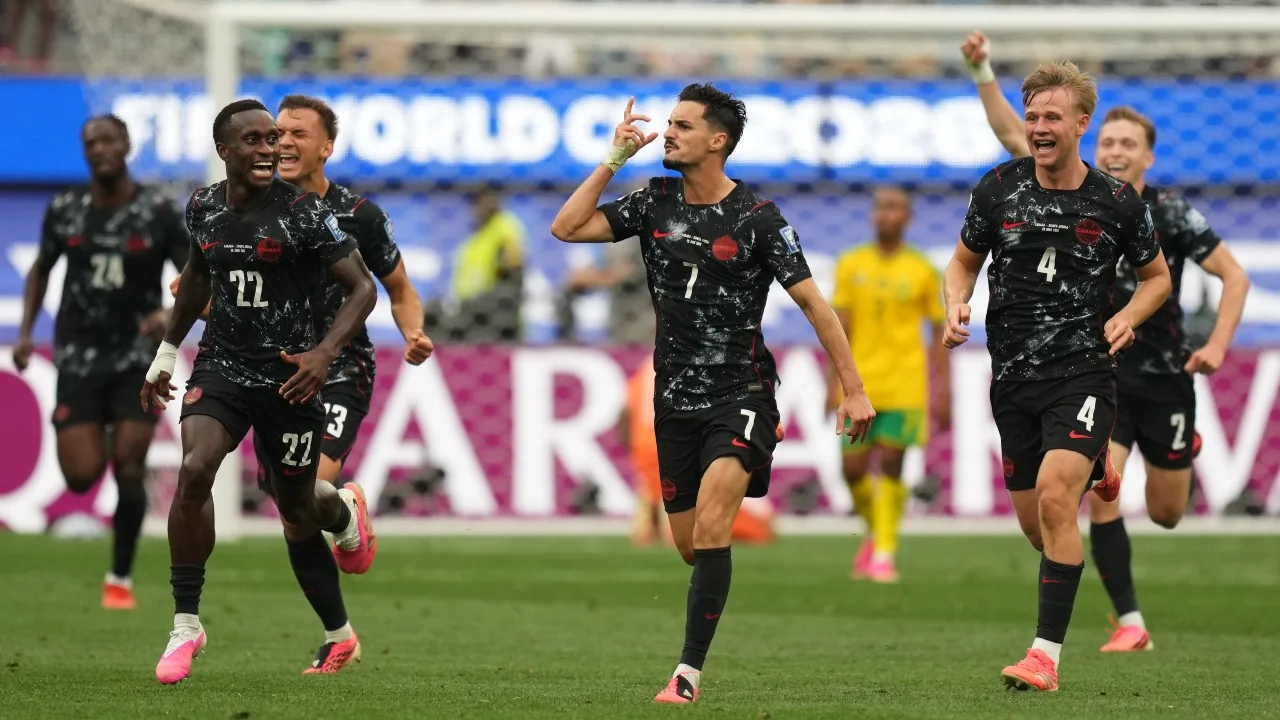
Historic Canadian Goals Mirror Each Other
Stephen Eustáquio‘s recent winning goal for Canada in the 2026 FIFA World Cup has drawn comparisons to Diana Matheson‘s bronze medal-winning goal at the London 2012 Olympic Games. Both goals were pivotal for their respective national teams, securing 1-0 victories in crucial matches.
Eustáquio’s late goal against South Africa in the Round of 32 propelled the men’s team further than they had ever gone in the tournament, advancing them to the Round of 16. This victory marked the men’s team’s first win in a World Cup knockout stage match. Similarly, Matheson’s goal in 2012 secured Canada‘s first Olympic medal in women’s soccer.
Both goals occurred in stoppage time, with fans anticipating extra time or a penalty shootout. The Canadian teams entered their respective matches following emotionally challenging previous games. The women’s team in 2012 had lost a semifinal against the United States in extra time, while the men’s team in 2026 had lost to Switzerland, missing the chance to host their Round of 32 match in Vancouver.
Midfielders Deliver Crucial Strikes
Both Stephen Eustáquio and Diana Matheson are recognized as playmaking midfielders, more often involved in setting up goals rather than scoring them directly. They are known for taking free kicks and corners and have contributed to the success of prolific Canadian scorers such as Jonathan David, Cyle Larin, and Christine Sinclair.
Matheson scored 19 goals in 206 appearances for Canada, while Eustáquio now has five goals in 60 appearances. Their goal-scoring rates are notably similar. The manner of their crucial goals also shared resemblances: both involved the ball coming off a defender in the air and being converted with a low right-footed shot.
Eustáquio’s goal involved him chesting the ball down before unleashing a volley. The goal came after substitute Jacob Shaffelburg‘s cross was cleared by a South African defender, landing at Eustáquio’s feet. He then scored with a low curler from 20 yards out into the lower left corner of the net.
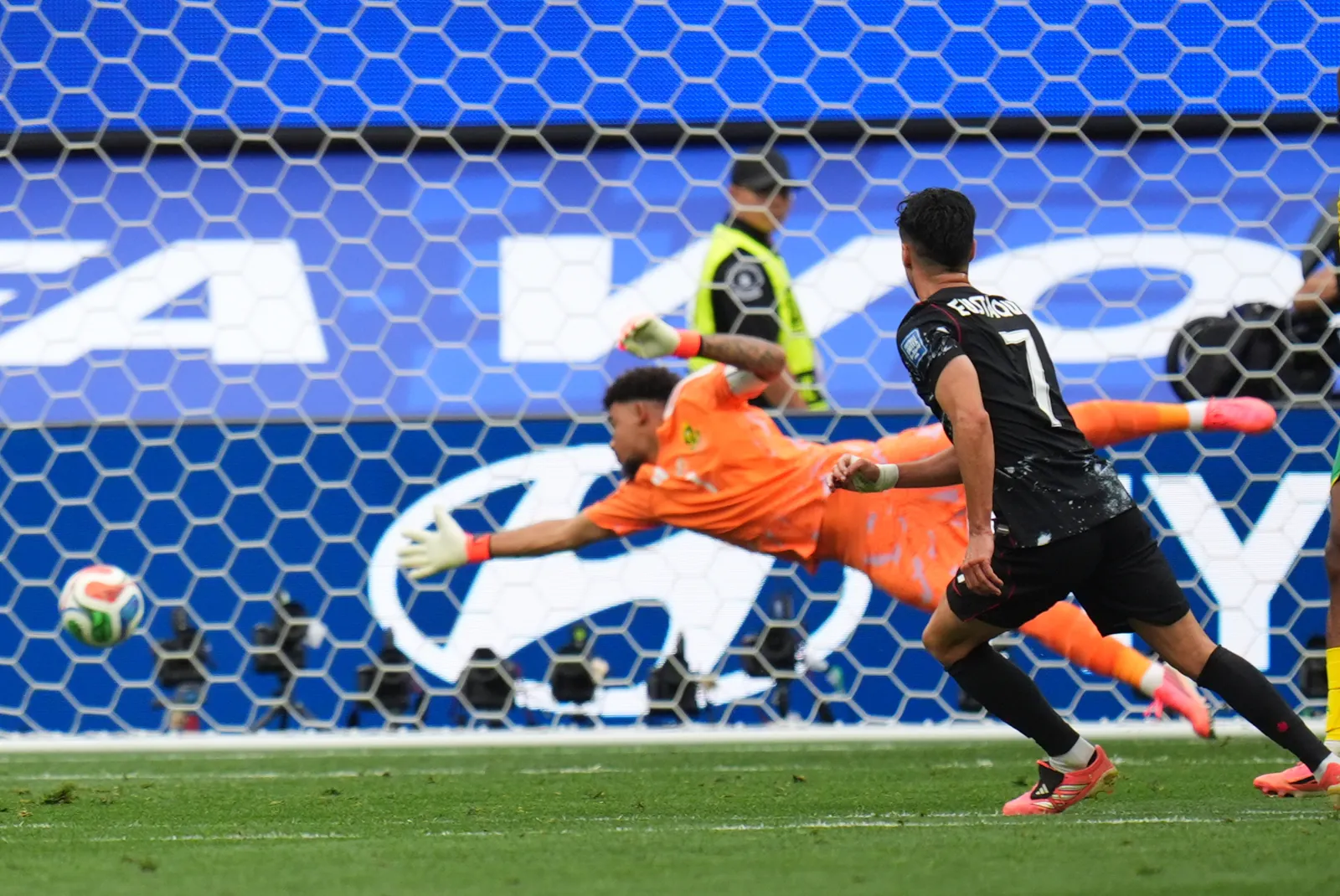
The match against South Africa was described as a challenging contest, with Canada‘s grit and determination ultimately paying off. Head coach Jesse Marsch made substitutions in the second half to inject life into the team’s attack, including bringing on Shaffelburg and later Alphonso Davies. Davies’ introduction in the 75th minute, despite a lengthy injury layoff, had a positive impact, creating space for his teammates and shifting South Africa‘s defensive focus.
Impact on Canadian Soccer History
Matheson’s goal in 2012 had a significant impact, helping to raise the profile of the women’s team and contributing to their subsequent success, including another bronze medal at Rio 2016 and an Olympic gold at Tokyo 2020. Matheson also played a role in the establishment of the Northern Super League, a professional women’s league in Canada.
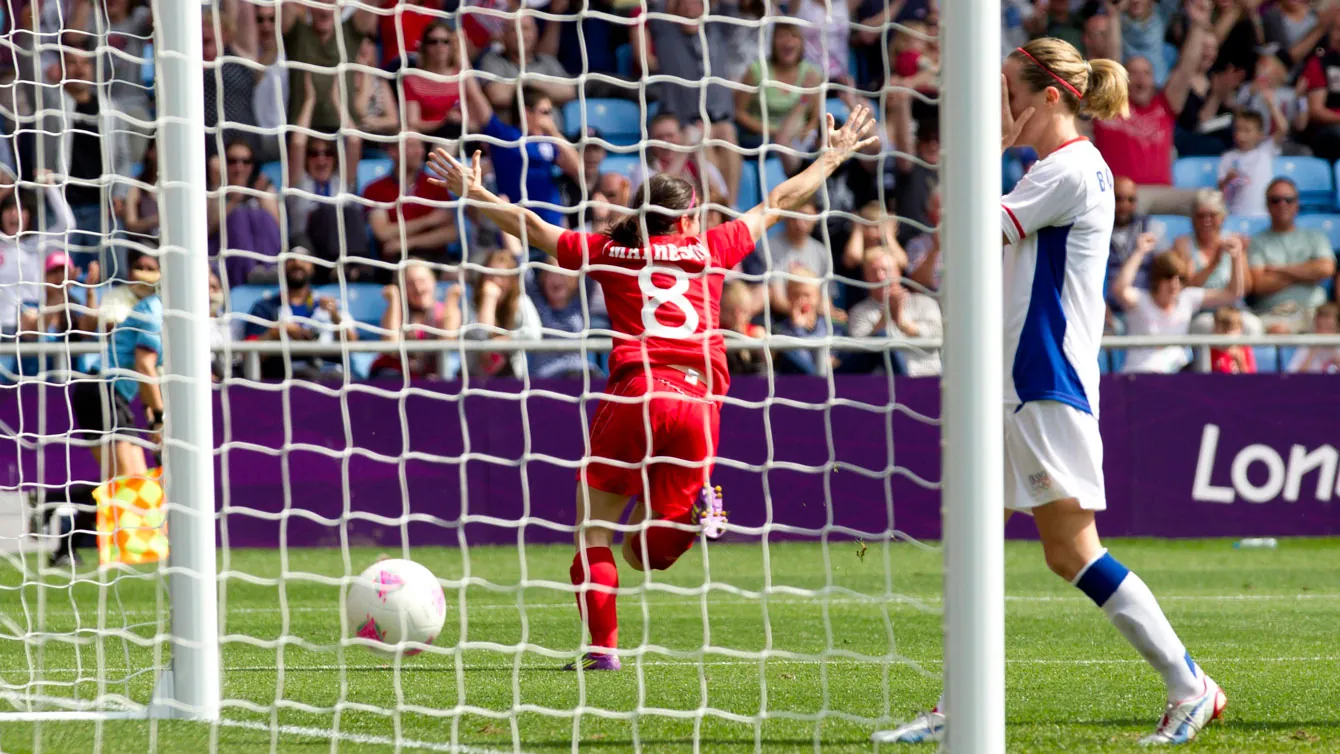
The long-term impact of Eustáquio’s goal is still unfolding. However, it has been noted for potentially altering the perception of the Canadian men’s team. Defender Alistair Johnston described the win as a moment that will be remembered in Canadian sports history, emphasizing its significance beyond just soccer.
The 1-0 victory over South Africa was Canada‘s first game, first win, and first goal in the knockout stages of a men’s World Cup. Canada will now face the winner of the match between the Netherlands and Morocco in the Round of 16 on July 4 in Houston.
Read Also
Source: olympic.ca