A Battle of Identity and Talent
The World Cup 2026 match between the Netherlands and Morocco in Monterrey represents more than just a knockout stage fixture; it highlights the evolving dynamics of international football, particularly concerning player identity and migration. This encounter pits two strong teams against each other, both having progressed undefeated through their respective group stages. The Netherlands topped Group F with seven points and 10 goals, while Morocco finished second in their group, also with seven points, behind Brazil on goal difference.
For decades, players born in the Netherlands to Moroccan families typically chose to represent the Netherlands. This assumption, however, has significantly changed. The shift is partly attributed to the Royal Moroccan Football Federation’s strategic investment in identifying and nurturing dual-national talent across Europe. Scouts were deployed in countries like France, Belgium, Spain, and the Netherlands to build relationships with promising young players and their families long before senior international call-ups.
This approach has reshaped Morocco’s national team. At the 2018 World Cup, five members of their squad were Dutch-born. By the time Morocco reached the semi-finals of a World Cup, they had 14 foreign-born players in their 26-man squad. During a recent group-stage draw against Brazil, Morocco notably fielded an entire starting XI composed of foreign-born players, a first in World Cup history.
The Personal Choice of Representation
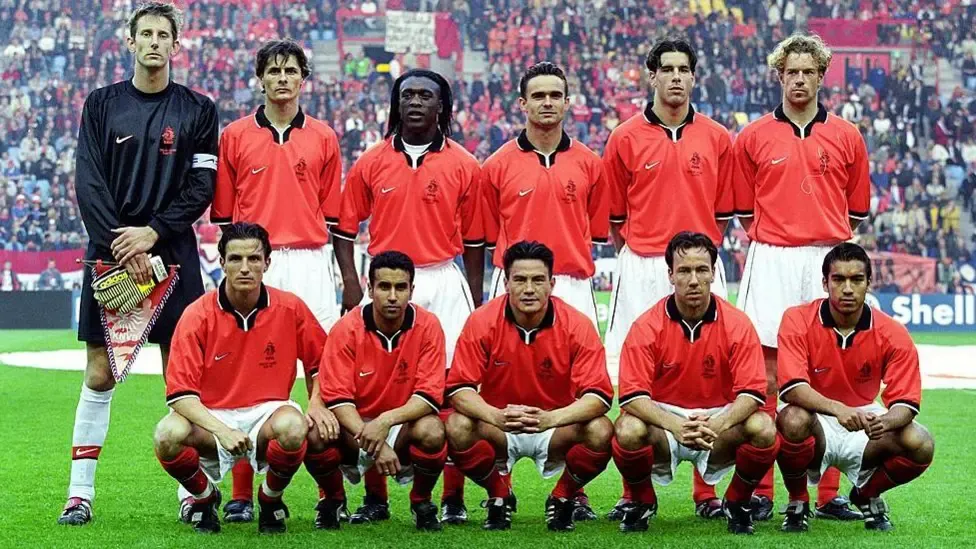
The decision for dual-national footballers is often deeply personal, influenced by family, culture, and opportunity. Dries Boussatta was the first Dutch-born player of Moroccan heritage to represent the Netherlands in November 1998. He later made two appearances for Morocco, a switch permitted by FIFA’s eligibility rules at the time because his Netherlands caps were in friendly matches.
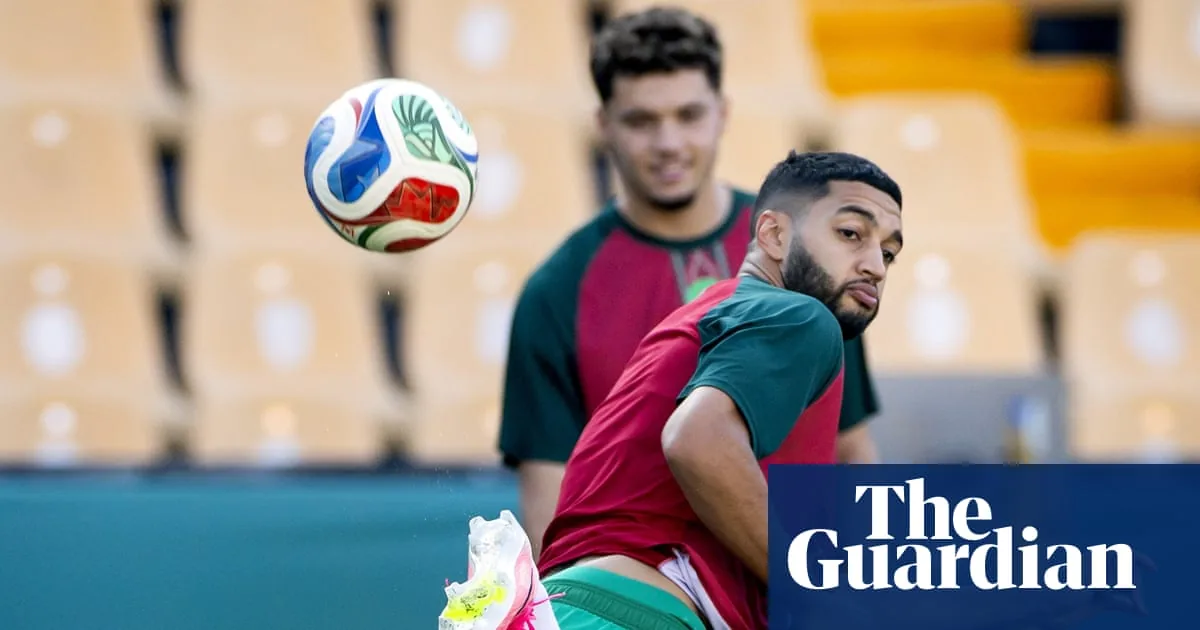
A significant moment illustrating this shift was Hakim Ziyech’s choice to represent Morocco. Born in Dronten and developed within the Dutch system, Ziyech played for the Netherlands at youth level and received a senior call-up in 2015. Despite an injury preventing his debut, he later committed to Morocco, stating, “I’ve always felt Moroccan. You choose with your heart.” This decision altered perceptions, as one of the Eredivisie’s standout players chose the Atlas Lions over Oranje.
Other players followed Ziyech’s path, including Noussair Mazraoui, who was born in Leiderdorp and developed at Ajax’s academy, and Sofyan Amrabat, who grew up in Huizen. Anass Salah-Eddine, also raised in Dutch football, committed to Morocco. Ismael Saibari, though born in Spain, received most of his football education at PSV Eindhoven’s academy before joining Morocco.
Match Expectations and Local Support
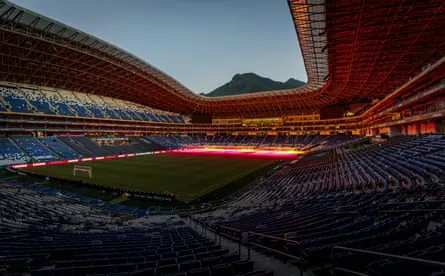
The upcoming match is anticipated to be a rigorous test for both teams. Morocco manager Mohamed Ouahbi emphasized his players’ motivation to represent their country. The match will be played at Estadio Monterrey, with temperatures projected to reach at least 30 degrees Celsius, potentially making hydration breaks crucial.
The Netherlands’ attack has been formidable, with striker Brian Brobbey scoring with each of his first three shots on target this summer. Cody Gakpo and Crysencio Summerville have also contributed significantly, both scoring twice. Ouahbi expressed confidence in his team’s plan, noting his familiarity with Brobbey from his time coaching Anderlecht’s under-17s.
Morocco has also shown strong offensive capabilities, with Ismael Saibari scoring three goals, including one in the draw against Brazil. The 18-year-old midfielder Ayyoub Bouaddi has also drawn attention. The local support in Monterrey has been enthusiastic for Morocco, with fans filling the Macroplaza with chants, flags, and musical instruments ahead of the match.
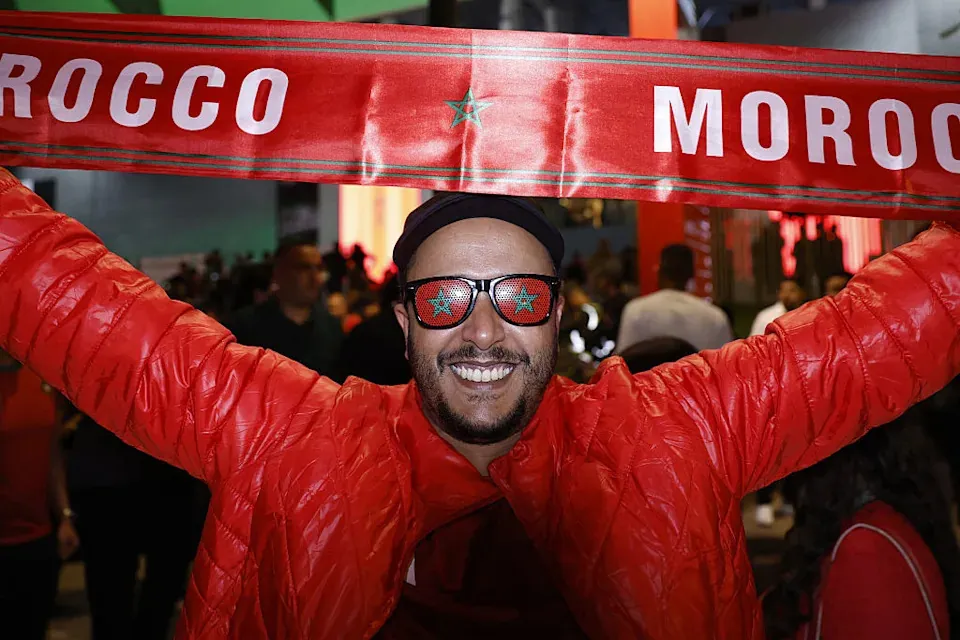
The bond between the Netherlands and Morocco extends beyond football, rooted in decades of migration. Hundreds of thousands of Dutch citizens have Moroccan heritage, creating generations with ties to both countries. This match in Monterrey is the latest chapter in a story where nationality is not assumed, and heritage plays a significant role on football’s biggest stage.
Morocco goalkeeper Yassine Bounou described the upcoming game as a “clash of titans,” highlighting the high stakes for both teams in the Round of 32.
Read Also
Source: bbc.com