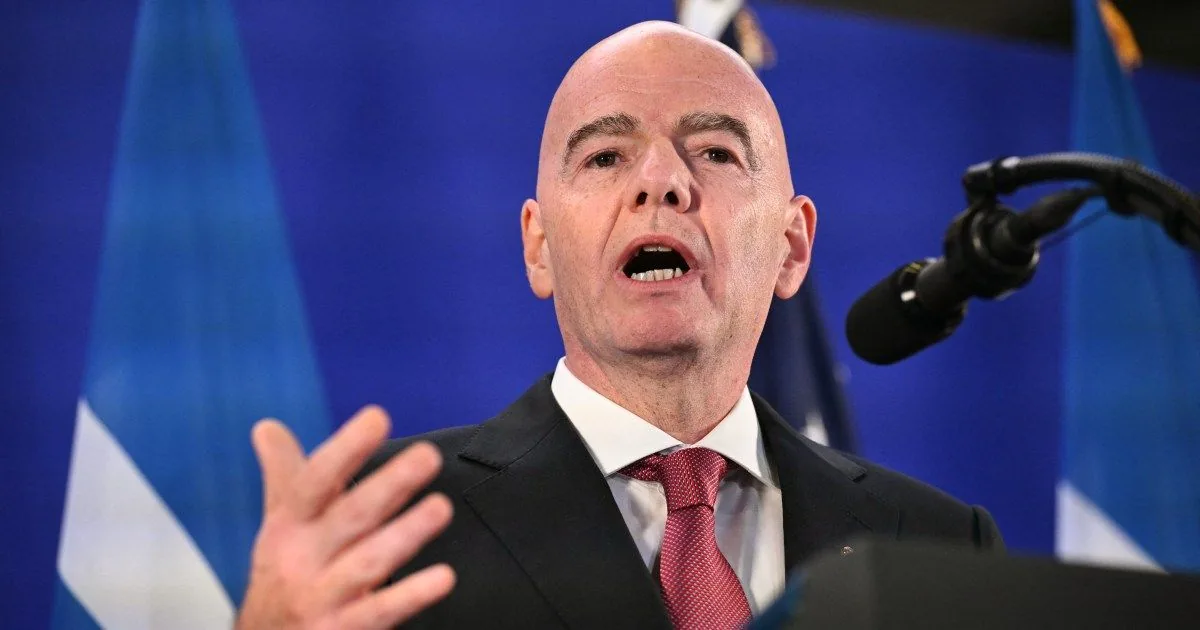
FIFA President Gianni Infantino has responded to those he perceives as critics of the recent World Cup, accusing them of spreading “hate and false rumours” about the tournament. Infantino defended the event as a success that fostered “happiness, unity, safety and togetherness.”
In a statement published on his Instagram account and FIFA’s website, Infantino addressed “those behind their pens and papers, behind their screens spreading hate and false rumors.” He suggested that critics were “so consumed by hate and criticism that you missed it all.”
Tournament Criticisms and FIFA’s Response
The World Cup, which concluded recently, faced various criticisms. These included issues regarding Iran team officials, a Somali referee, and fans reportedly being denied entry to the United States. Concerns were also raised about alleged political influence from U.S. President Donald Trump regarding Folarin Balogun’s red card ban.
Infantino’s statement highlighted that many refereeing and disciplinary decisions, which drew criticism during the tournament, are common in major leagues globally. He noted that countries employing these practices were among those criticising them.
Other points of contention included high ticket prices and commercial breaks introduced midway through each half of the 104 games. Despite these, Infantino maintained that the tournament experienced “no violence, no incidents, 100% safety and security, only joy and happiness!”
Visa Issues and Political Context
One significant area of criticism revolved around visa restrictions. Reports indicated that some officials and supporters from various countries encountered difficulties entering the United States. The Iranian team, for instance, had a turbulent experience, needing to relocate their training camp from Tucson, Arizona, to Tijuana, Mexico, due to conflict in the Middle East. They also faced logistical challenges travelling between locations for their group matches.
Infantino acknowledged that a “few people” were denied visas but emphasized the “millions who were approved, from all parts of the world.” He asserted that football unites the world, citing Iran’s entry into the United States “without incident or conflict” as evidence that “football is about peace. It’s not about politics.”
He also pointed to the participation of countries facing political tensions, domestic crises, and health challenges, such as Haiti and the Democratic Republic of the Congo, as examples of football’s ability to transcend divisions. The Somali World Cup referee Omar Abdulkadir Artan was reportedly barred from entering the U.S. despite possessing a valid visa.
Infantino’s comments were made less than a week after FIFA announced an investigation into an on-pitch altercation involving Argentina and Spain players at the conclusion of their World Cup final in New Jersey.
Defending Decisions and the Sport’s Impact
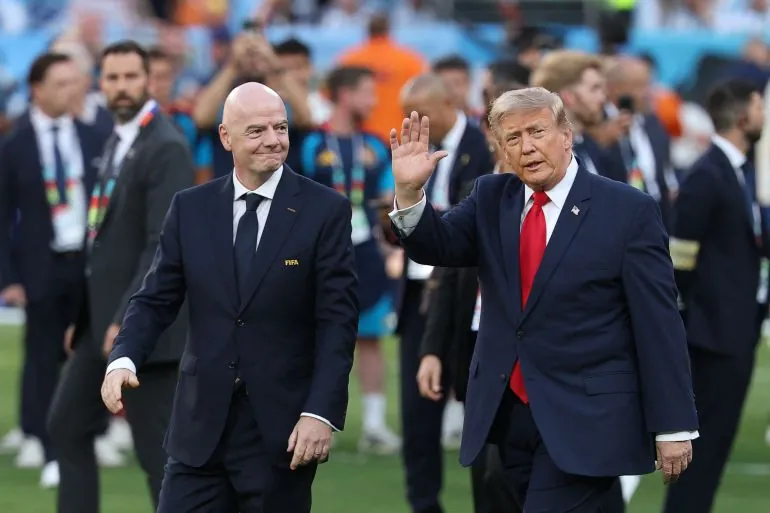
The FIFA president’s letter also followed scrutiny regarding the handling of Folarin Balogun’s disciplinary case. A decision was made to suspend the automatic one-match ban for the U.S. striker after his red card against Bosnia and Herzegovina, reportedly after intervention from U.S. President Donald Trump. Officiating decisions in Argentina’s match against Egypt also generated considerable discussion among fans and pundits.
Infantino’s statement, spanning 15 pages and approximately 900 words, praised FIFA for “delivering the best show in the world.” He highlighted the tournament’s role in bringing “joy and togetherness” to millions of fans globally, who witnessed Spain win the tournament staged across the United States, Canada, and Mexico.
Earlier this month, human rights group FairSquare filed a complaint with the International Olympic Committee (IOC) against Infantino, alleging breaches of the IOC’s rules on political neutrality due to his reported political support for U.S. President Donald Trump. However, the IOC rejected the complaint, stating it fell outside the jurisdiction of its Ethics Commission.
Infantino’s remarks stand in contrast to comments from Iran’s head coach, Amir Ghalenoei, who described his team as the “most oppressed” at the World Cup.
Source: nanaimonewsnow.com